
Innovative Educational Initiatives for a Brighter Future
Education is a cornerstone of progress and development in any society. Various educational initiatives have been launched around the globe, helping to reshape learning experiences, promote inclusivity, and adapt to the ever-changing demands of the modern world. One such initiative is the educational initiatives vanuatu education programs, designed to empower students in remote regions through innovative teaching practices and community involvement.
The Importance of Educational Initiatives
Educational initiatives play a pivotal role in addressing various challenges within educational systems. These challenges include lack of access, unequal opportunities, outdated curricula, and insufficient resources, which can hinder the growth of future generations. By introducing innovative approaches, local and global organizations seek to provide equitable and quality education that caters to diverse learning needs.
Types of Educational Initiatives
There are numerous types of educational initiatives aimed at enriching the learning experience and improving educational outcomes. Here are some key categories:
1. Technology in Education
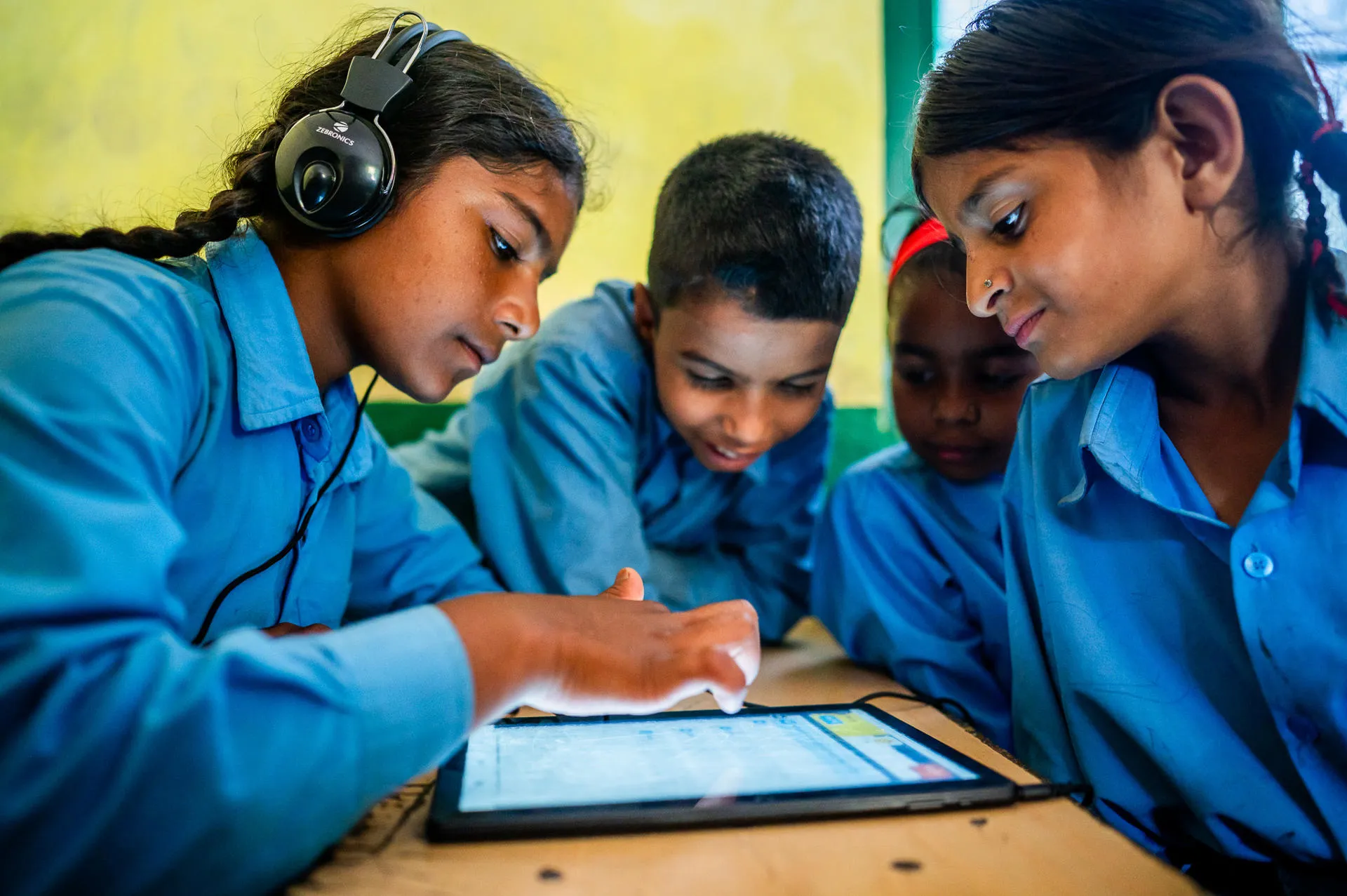
The integration of technology into classrooms has revolutionized the learning experience. Initiatives focusing on digital literacy help students gain essential skills needed for modern jobs while providing teachers with innovative tools for instruction. Programs that provide access to tablets and online resources allow students in underserved areas to learn in engaging ways.
2. Inclusive Education
Inclusive education initiatives aim to accommodate all learners, regardless of their abilities or backgrounds. These programs often focus on training teachers to support students with disabilities, fostering an environment where all children can thrive. Funding and resources may be allocated to develop assistive technologies and create personalized learning plans for students who require additional support.
3. Community-Based Learning
Many educational initiatives emphasize the importance of community involvement in learning. By partnering with local organizations and families, schools can create curriculums that reflect the values and traditions of their communities. This approach not only enriches the educational experience but also strengthens community ties.
4. STEM Education
Science, technology, engineering, and mathematics (STEM) education programs promote critical thinking and problem-solving skills. Many initiatives aim to encourage underrepresented groups, such as girls and minorities, to pursue careers in these fields. Hands-on activities, mentorship programs, and partnerships with local businesses are commonly utilized to inspire the next generation of innovators.
Successful Case Studies
Several educational initiatives have demonstrated remarkable success in transforming learning environments and enhancing student outcomes. Here are a few notable examples:
1. Teach For All
Teach For All is a global network of organizations that recruit and train promising future leaders to teach in low-income communities. The initiative operates in over 50 countries, working to expand educational access and improve learning outcomes. Participants are often empowered to make long-term changes in the education system as they gain firsthand experience.

2. Khan Academy
Khan Academy offers free online educational resources for learners of all ages. By providing easily accessible video lessons and interactive exercises, this initiative has become a powerful tool for self-paced learning. It is especially beneficial for students with limited access to quality educational materials, enabling them to learn at their own pace.
3. The Global Partnership for Education (GPE)
The GPE works to ensure that all children receive a quality education, especially in developing countries. This initiative provides funding and technical support to build educational systems, train teachers, and advocate for policy changes. By focusing on equity, the GPE addresses the needs of marginalized and disadvantaged populations.
Challenges and Future Directions
While educational initiatives have achieved significant success, they still face various challenges, including funding constraints, political instability, and cultural resistance to change. To ensure sustainable progress, it is crucial for these initiatives to adapt and innovate continuously.
Looking to the future, educational initiatives must embrace a holistic approach that includes social, emotional, and physical development alongside academic growth. Collaboration with a variety of stakeholders, including governments, private sectors, and NGOs, will be essential for creating robust educational ecosystems that are resilient and responsive to the needs of learners.
Conclusion
In conclusion, educational initiatives are vital for fostering a brighter future for students worldwide. By addressing barriers to access, promoting inclusivity, and enhancing educational quality, these initiatives empower learners to reach their full potential. With continued innovation and collaboration, we can create a world where every child has the opportunity to succeed, contributing to a more equitable and prosperous society.